Media Summary: If you are learning to work with data then being able to structure, manipulate and In this R programming tutorial, we give you a small course on the basics of the group_by In this step-by-step video tutorial, you will learn some more advanced SQL aggregation concepts by using the

Group By And Summarise Functions - Detailed Analysis & Overview

If you are learning to work with data then being able to structure, manipulate and In this R programming tutorial, we give you a small course on the basics of the group_by In this step-by-step video tutorial, you will learn some more advanced SQL aggregation concepts by using the Want to automate Excel? Check out our training academy ☆ ☆ Check out the blog post ... Get Demo Files here In this video were going to cover how you can use the Get my free SQL Cheat Sheets: Master SQL ...

This R programming tutorial gives you a small course on the basics of the

Photo Gallery

Group by and Summarise functions in R programming - use the tidyverse package to wrangle your data
Data Wrangling In R with group_by() and summarise()
dplyr::group_by() | How to use dplyr group by function | R Programming
Summarize data EASILY with the GROUPBY function in Excel!
Differences between GROUPBY and SUMMARIZE
Explore data with summarise( ) and group_by( ) pair
Advanced Aggregate Functions in SQL (GROUP BY, HAVING vs. WHERE)
Summarizing Data with Group By in Power Query
GROUP your data using SUMMARIZE DAX Function in Power BI // DAX Basics for Beginners in 2022
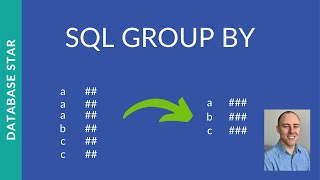
SQL Group By: An Explanation and How To Use It
dplyr::summarize() | How to use dplyr summarise function | R Programming
Group by and summarize function in R Statistics
View Detailed Profile
Group by and Summarise functions in R programming - use the tidyverse package to wrangle your data

Group by and Summarise functions in R programming - use the tidyverse package to wrangle your data

If you are learning to work with data then being able to structure, manipulate and

Data Wrangling In R with group_by() and summarise()

Data Wrangling In R with group_by() and summarise()

Need

dplyr::group_by() | How to use dplyr group by function | R Programming

dplyr::group_by() | How to use dplyr group by function | R Programming

In this R programming tutorial, we give you a small course on the basics of the group_by

Summarize data EASILY with the GROUPBY function in Excel!

Summarize data EASILY with the GROUPBY function in Excel!

This new

Differences between GROUPBY and SUMMARIZE

Differences between GROUPBY and SUMMARIZE

GROUPBY

Explore data with summarise( ) and group_by( ) pair

Explore data with summarise( ) and group_by( ) pair

summarise

Advanced Aggregate Functions in SQL (GROUP BY, HAVING vs. WHERE)

Advanced Aggregate Functions in SQL (GROUP BY, HAVING vs. WHERE)

In this step-by-step video tutorial, you will learn some more advanced SQL aggregation concepts by using the

Summarizing Data with Group By in Power Query

Summarizing Data with Group By in Power Query

Want to automate Excel? Check out our training academy ☆ https://exceloffthegrid.com/academy ☆ Check out the blog post ...

GROUP your data using SUMMARIZE DAX Function in Power BI // DAX Basics for Beginners in 2022

GROUP your data using SUMMARIZE DAX Function in Power BI // DAX Basics for Beginners in 2022

Get Demo Files here https://ko-fi.com/s/a918c4bfa8 In this video were going to cover how you can use the

SQL Group By: An Explanation and How To Use It

SQL Group By: An Explanation and How To Use It

Get my free SQL Cheat Sheets: https://databasestar.mykajabi.com/lpkj-sql-cheat-sheets/?video=x2_mOJ3skSc Master SQL ...

dplyr::summarize() | How to use dplyr summarise function | R Programming

dplyr::summarize() | How to use dplyr summarise function | R Programming

This R programming tutorial gives you a small course on the basics of the

Group by and summarize function in R Statistics

Group by and summarize function in R Statistics

Group by and summarize functions

#6 dplyr package in R : group_by() & summarise()

#6 dplyr package in R : group_by() & summarise()

Using group_by() and