Media Summary: "Google It" has passed into common language, but how does Google rank pages? Dr Max Wilson explains page rank. Back to basics as Dr Mike Pound explains a simple but incredibly useful algorithm, binary How do YouTube decide which videos to recommend? - Cristos Goodrow from YouTube's

Search Engine Relevance Computerphile - Detailed Analysis & Overview

"Google It" has passed into common language, but how does Google rank pages? Dr Max Wilson explains page rank. Back to basics as Dr Mike Pound explains a simple but incredibly useful algorithm, binary How do YouTube decide which videos to recommend? - Cristos Goodrow from YouTube's Why do we have 8 bits in a byte? Professor Brailsford on the origins of the humble byte. Why Use Binary? The web didn't spring out of nothing. People had been considering & building hypertext type systems since the 40's. Dr Tim ... We've all got to the edge of the wifi coverage, but the idea of coverage produces a network problem, the Hidden Node Problem.

SHA2's weakness explained by Dr Mike Pound -- Check out Brilliant's courses and start for free at ... Keeping data anonymous seems easy, but keeping identities separate is a big problem. Professor Derek McAuley explains. Zip files & error correction depend on information theory, Tim Muller takes us through how Claude Shannon's early Computer ... ALGOL 60, a brand new programming language, 60 years ago! Professor Brailsford used to have to teach it - here he shows us ...

Photo Gallery

Search Engine Relevance - Computerphile
How Search Engines Treat Data - Computerphile
Page Ranking and Search Engines - Computerphile
Binary Search Algorithm - Computerphile
YouTube Search & Discovery - Computerphile
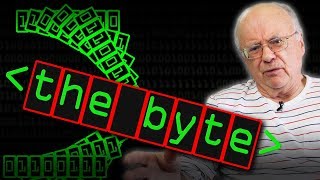
Where did Bytes Come From? - Computerphile
Origins of the Web - Computerphile
WiFi's Hidden ____ Problem - Computerphile
SHA2 Fatal Flaw? (Hash Length Extension Attack) - Computerphile
Bug in Binary Search - Computerphile
The Anonymisation Problem - Computerphile
Why Information Theory is Important - Computerphile
View Detailed Profile
Search Engine Relevance - Computerphile

Search Engine Relevance - Computerphile

A

How Search Engines Treat Data - Computerphile

How Search Engines Treat Data - Computerphile

Search Engines

Page Ranking and Search Engines - Computerphile

Page Ranking and Search Engines - Computerphile

"Google It" has passed into common language, but how does Google rank pages? Dr Max Wilson explains page rank.

Binary Search Algorithm - Computerphile

Binary Search Algorithm - Computerphile

Back to basics as Dr Mike Pound explains a simple but incredibly useful algorithm, binary

YouTube Search & Discovery - Computerphile

YouTube Search & Discovery - Computerphile

How do YouTube decide which videos to recommend? - Cristos Goodrow from YouTube's

Where did Bytes Come From? - Computerphile

Where did Bytes Come From? - Computerphile

Why do we have 8 bits in a byte? Professor Brailsford on the origins of the humble byte. Why Use Binary?

Origins of the Web - Computerphile

Origins of the Web - Computerphile

The web didn't spring out of nothing. People had been considering & building hypertext type systems since the 40's. Dr Tim ...

WiFi's Hidden ____ Problem - Computerphile

WiFi's Hidden ____ Problem - Computerphile

We've all got to the edge of the wifi coverage, but the idea of coverage produces a network problem, the Hidden Node Problem.

SHA2 Fatal Flaw? (Hash Length Extension Attack) - Computerphile

SHA2 Fatal Flaw? (Hash Length Extension Attack) - Computerphile

SHA2's weakness explained by Dr Mike Pound -- Check out Brilliant's courses and start for free at ...

Bug in Binary Search - Computerphile

Bug in Binary Search - Computerphile

Mike talks through a binary

The Anonymisation Problem - Computerphile

The Anonymisation Problem - Computerphile

Keeping data anonymous seems easy, but keeping identities separate is a big problem. Professor Derek McAuley explains.

Why Information Theory is Important - Computerphile

Why Information Theory is Important - Computerphile

Zip files & error correction depend on information theory, Tim Muller takes us through how Claude Shannon's early Computer ...

ALGOL 60 at 60 - Computerphile

ALGOL 60 at 60 - Computerphile

ALGOL 60, a brand new programming language, 60 years ago! Professor Brailsford used to have to teach it - here he shows us ...